Decided to go to this Archaeological Park which happens to be about a 11 minutes walk from our accomodation. This accomodation is in a strategic location as its in the middle of town and near to tourist attractions . The Neopolis Archaeological park is 54 hectares roughly around 59 acres . Some sources say that the park is 35 hectares depending on the boundaries being used.
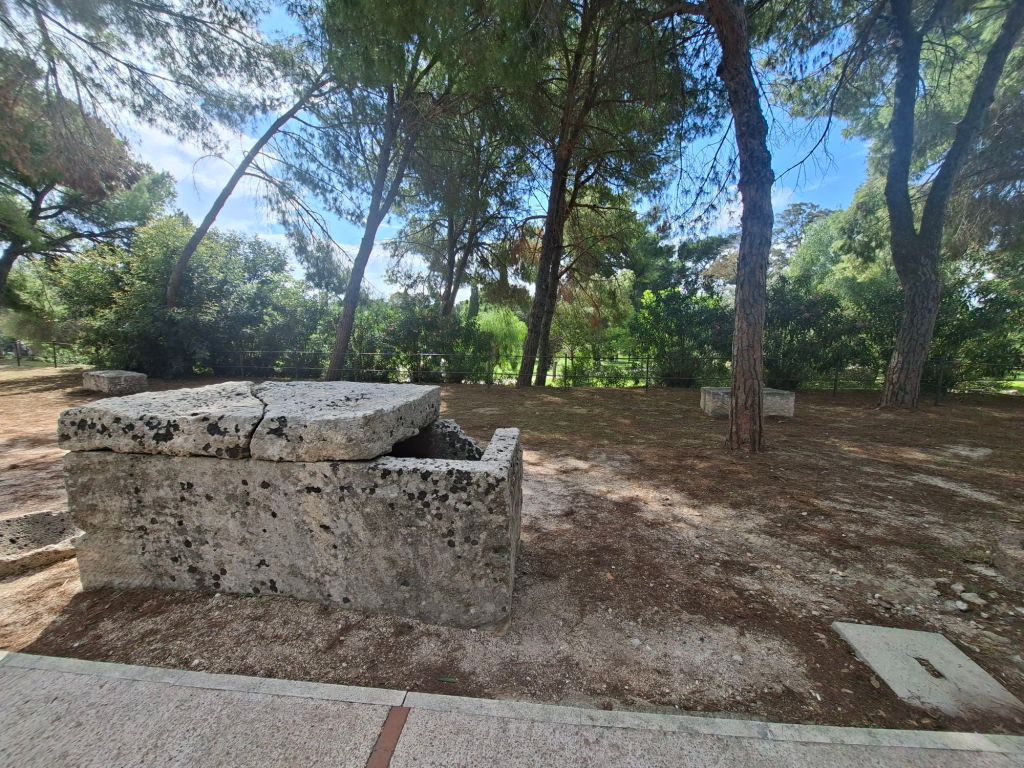
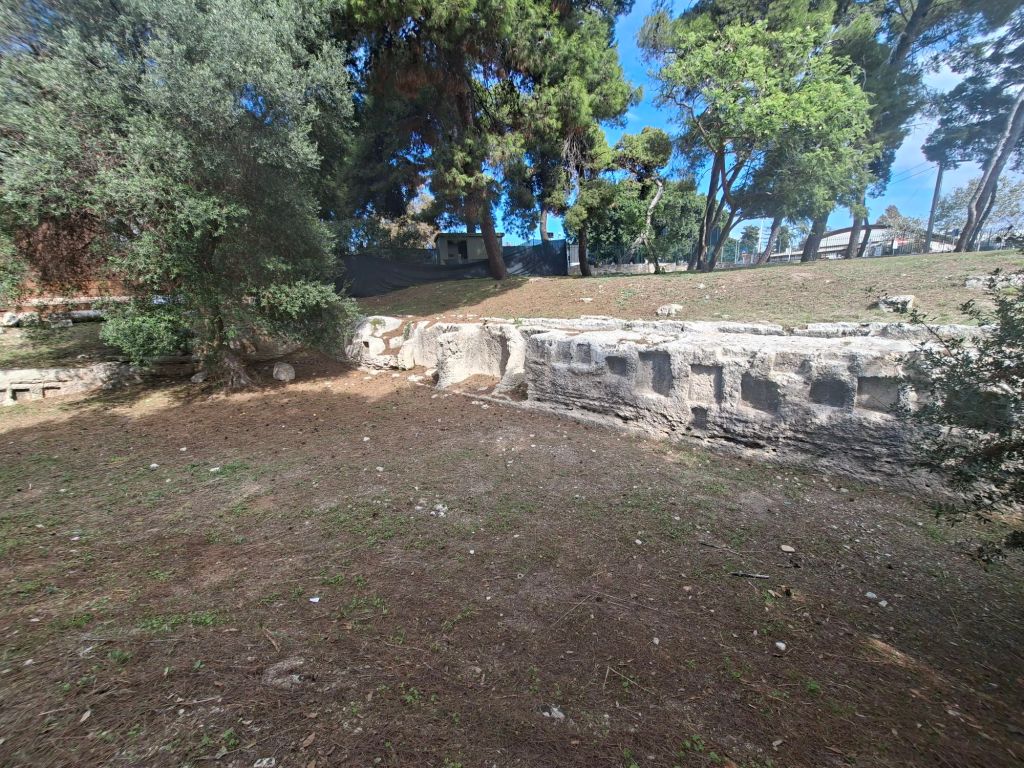
This park is unusual because it contains 1) the Roman Amphitheatre 2) the Greek theatre and 3) Ear of Dionsysius so its a substancial piece of acheological landscape not just a collection of ruins .
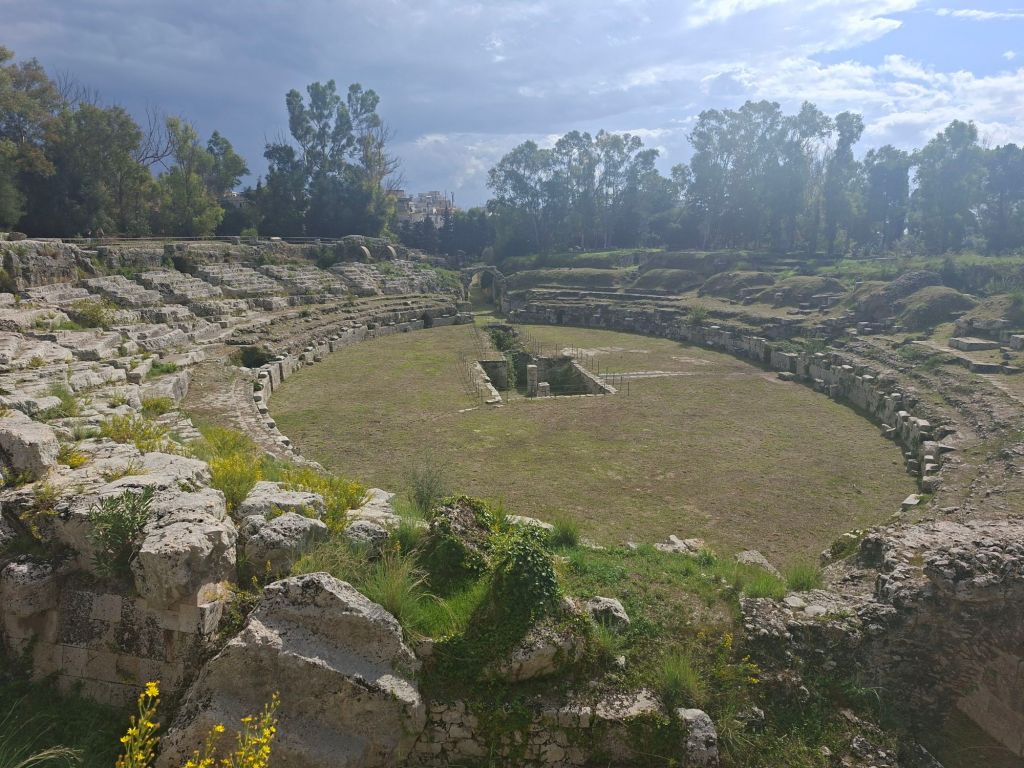
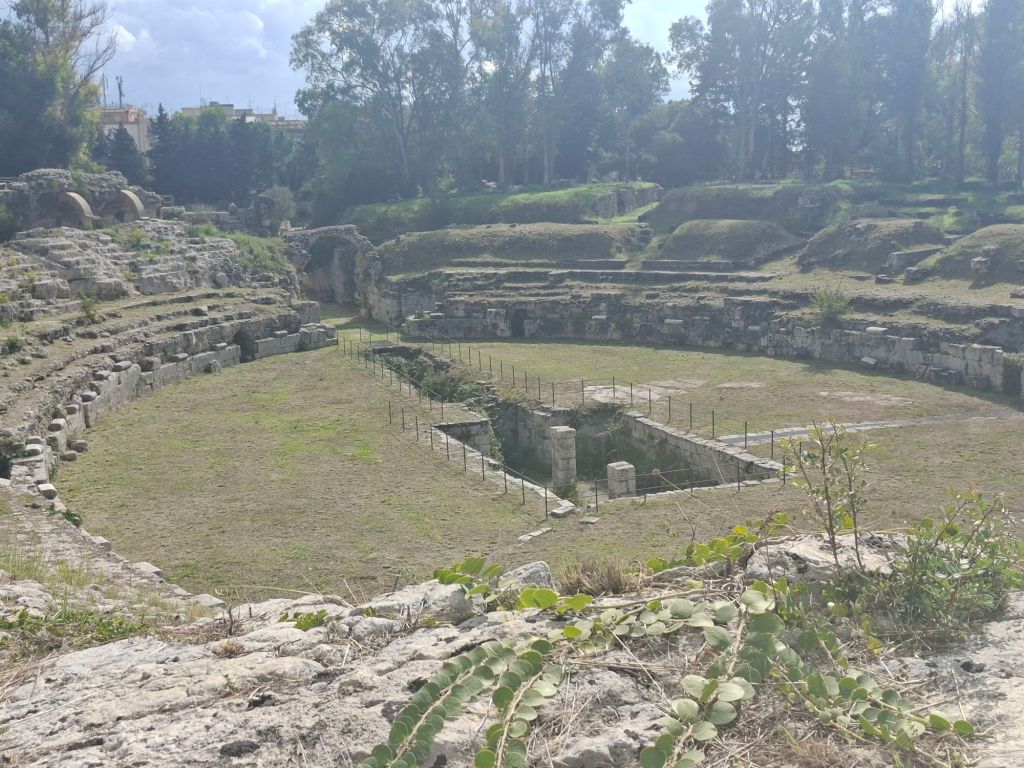
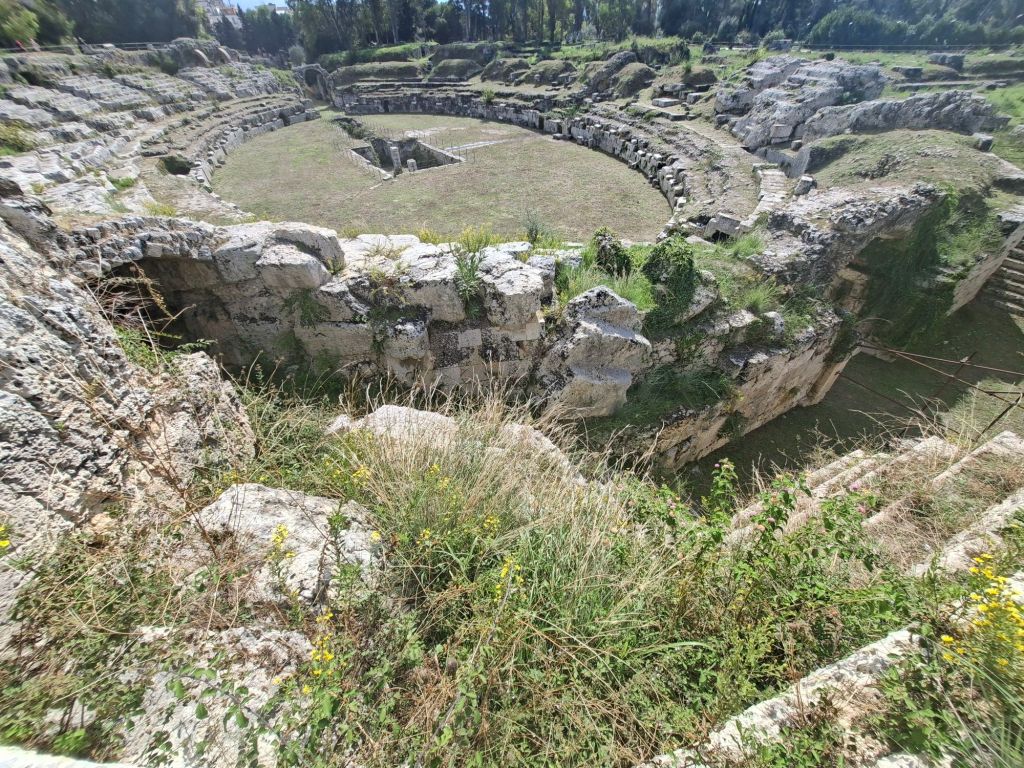
Some information on the Roman Amphitheatre is that it is used gladiatorial combats and other public spectacles which includes wild animals whereby wild animals were used for staged hunts or combats and also public executions. The Roman amphitheatre is around 3th-4th century AD . The amphitheatre is carved from the local limestone which has helped create the oval shape .
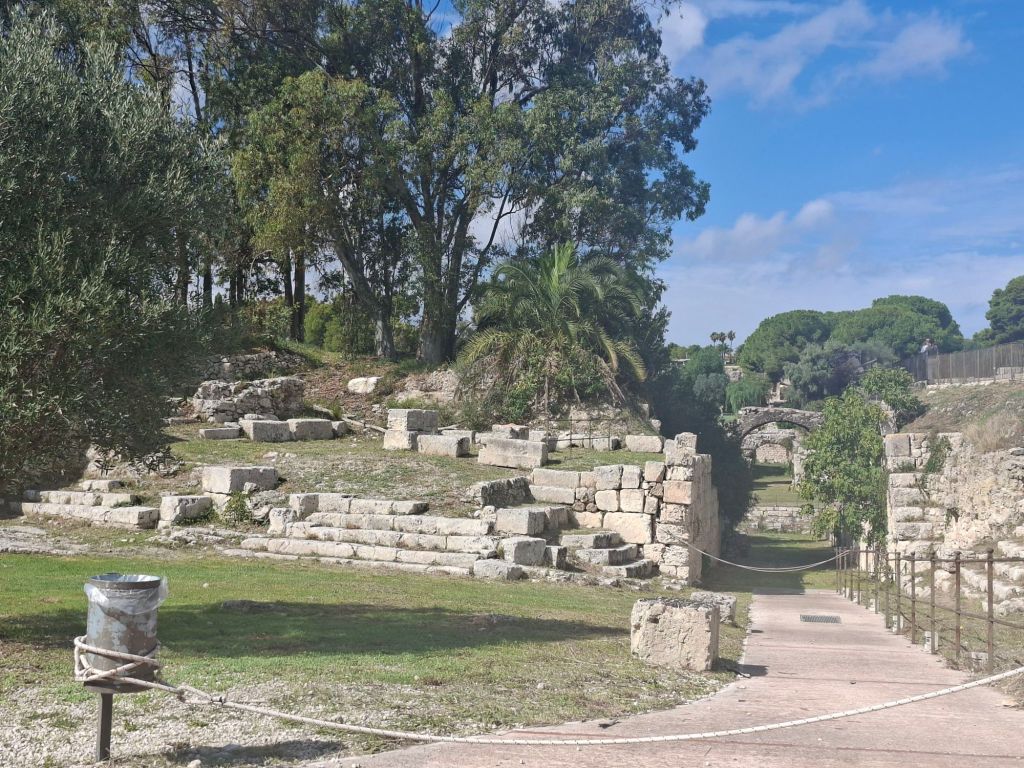
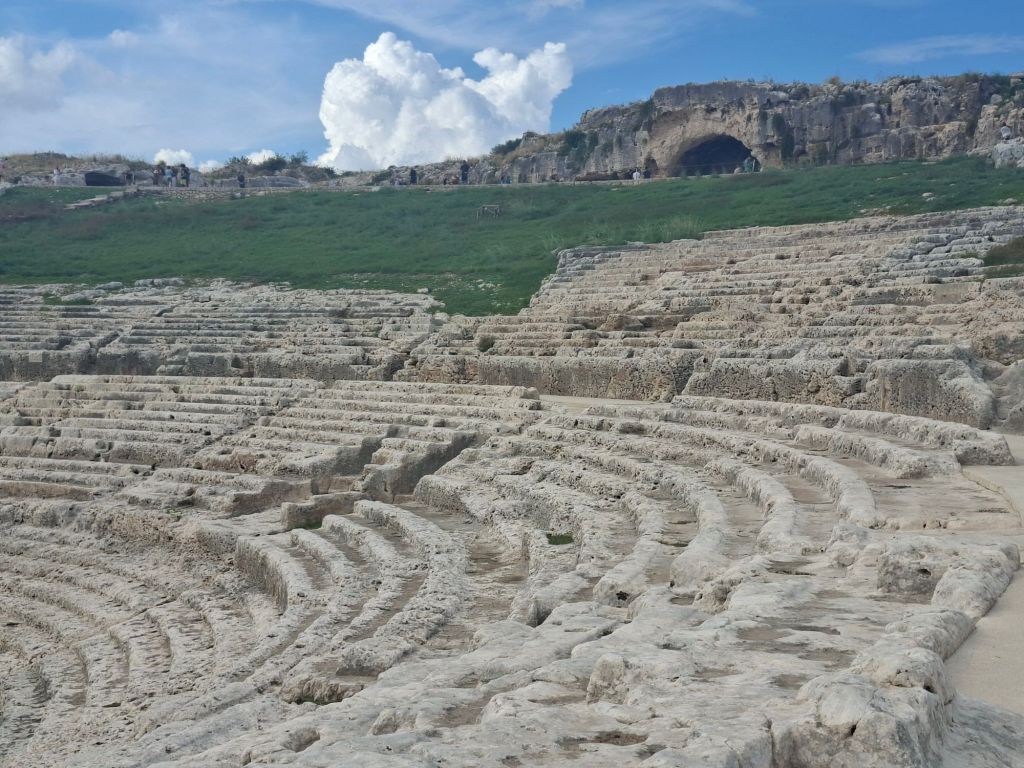
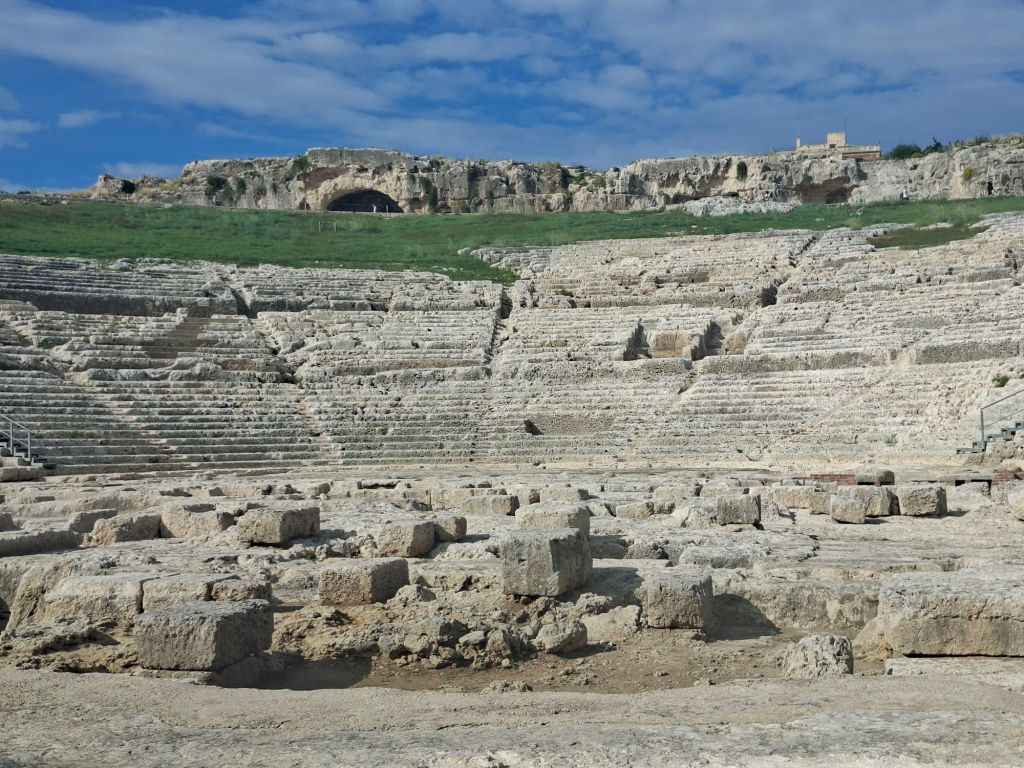
There was a fair amount of walking in the park . From the Roman Amphitheatre , we walked to the Greek theatre . The Greek theatre was used for primarily for drama and theatrical performances while the Roman amphithreatre was not . The two buildings show how Siracusa changed from a major Greek city into a city under Roman rule .
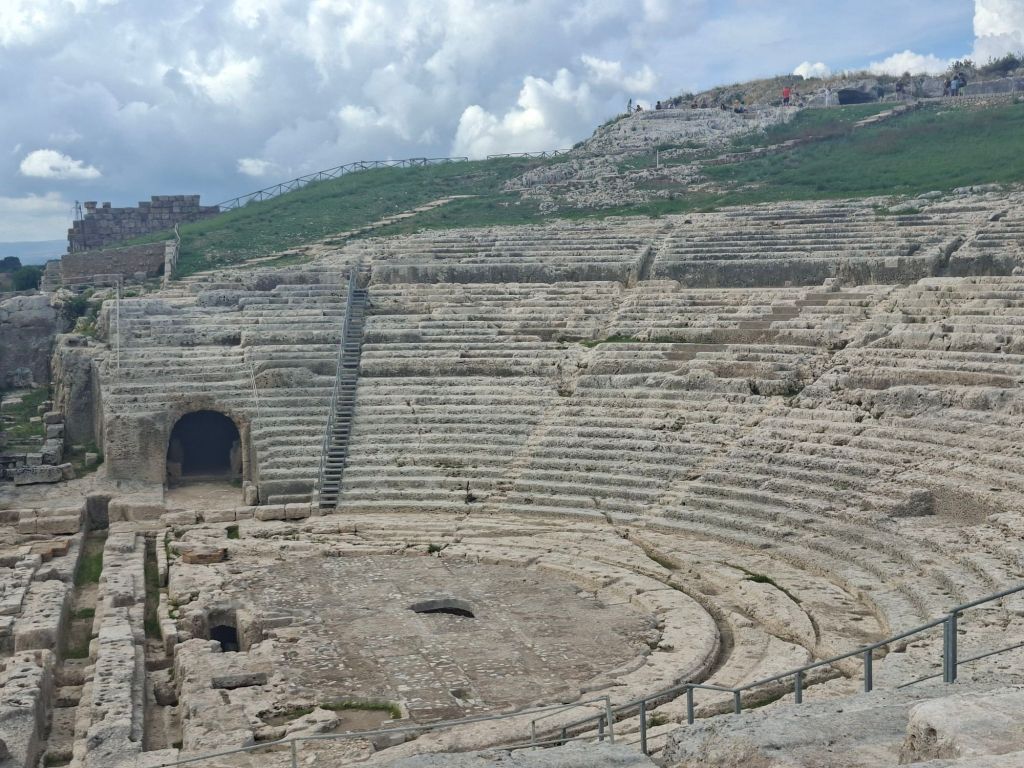
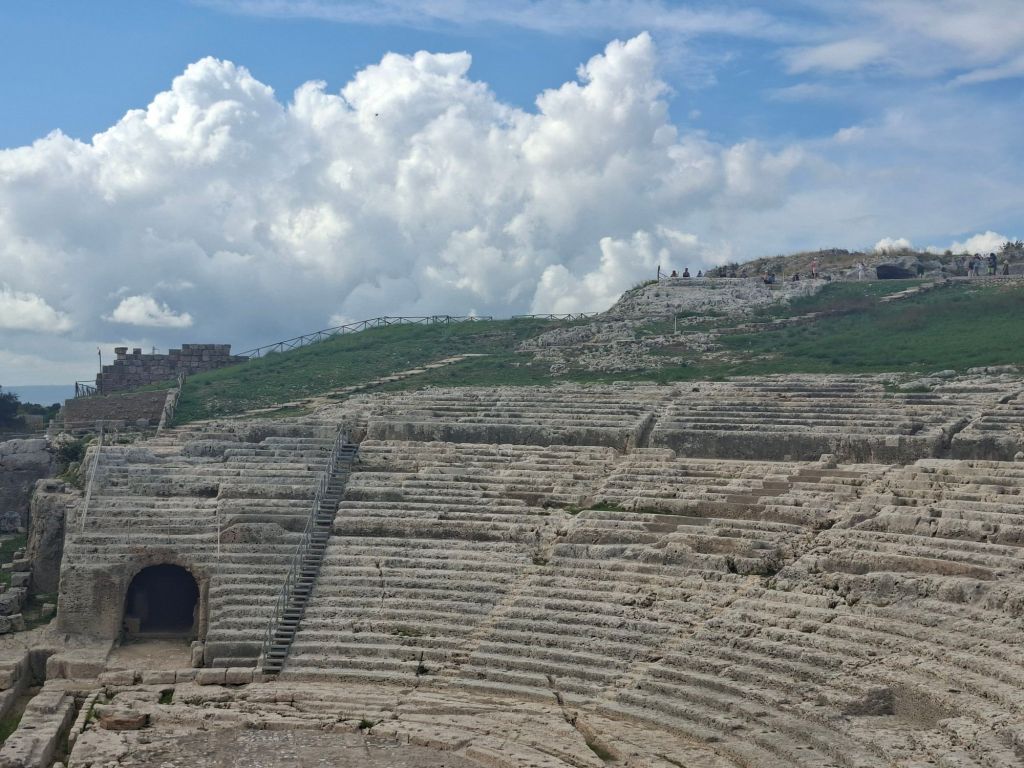
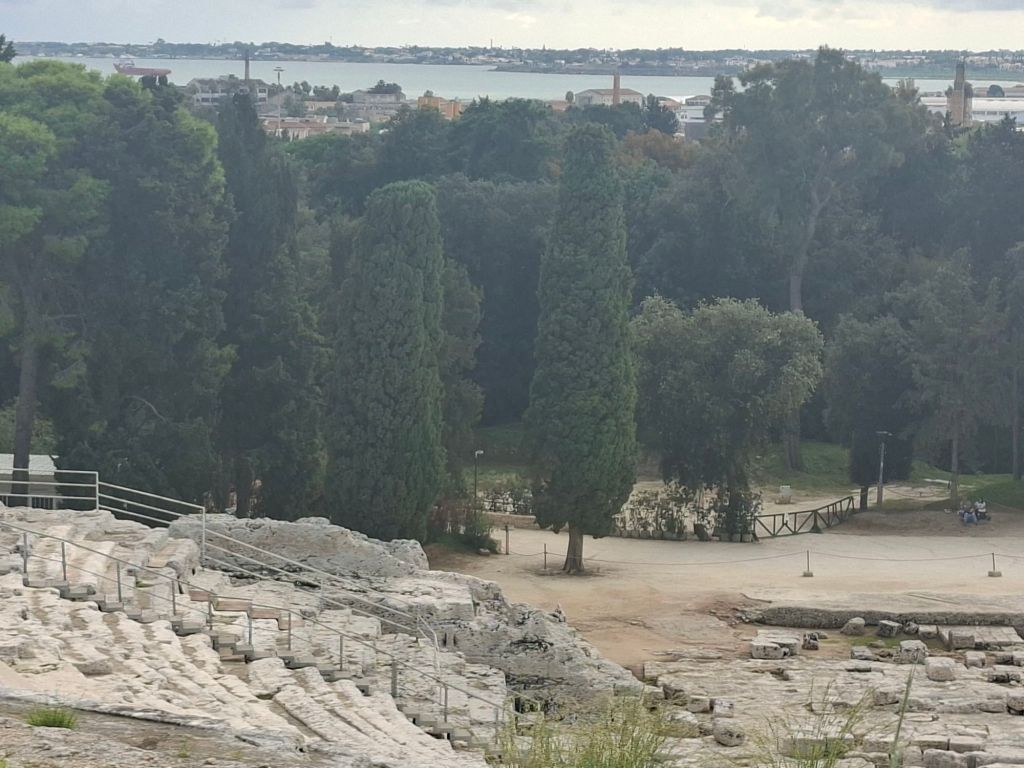
Perhaps, the Greek civilization encouraged scholarship & learning and their form of entertainment was in terms of theatrical plays while it seems that the Romans seems interested in conquests of land and territories . Blood thirsty people, these Romans huh . Maynot be historically true because the Romans did have many inventions during their era .
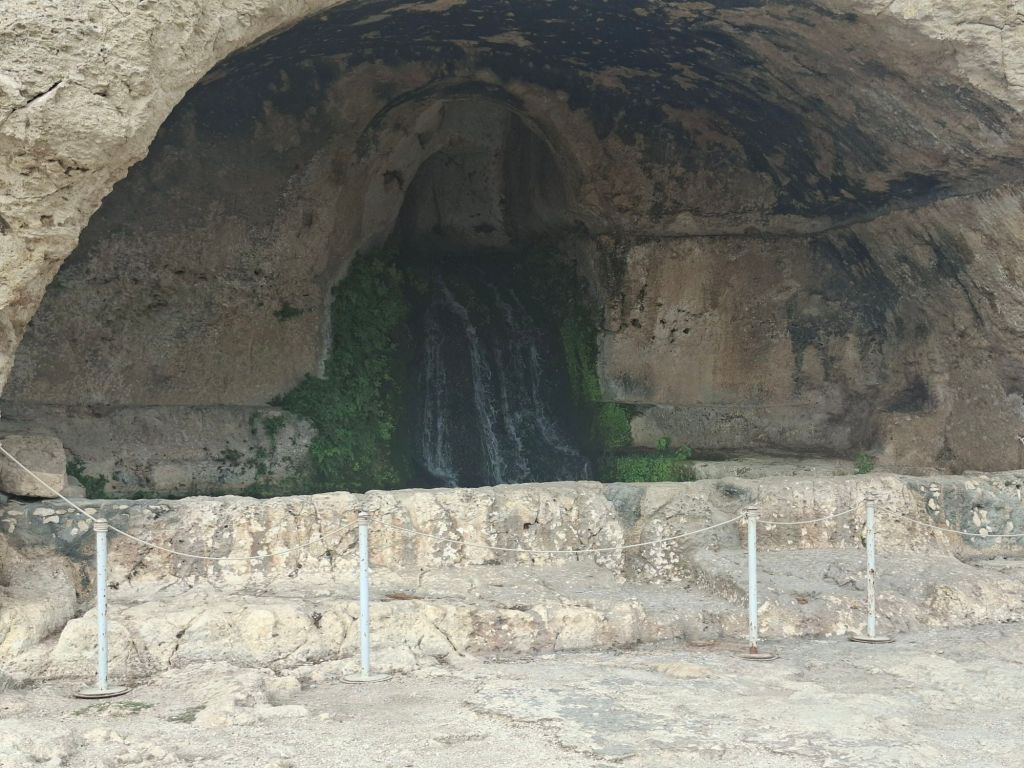
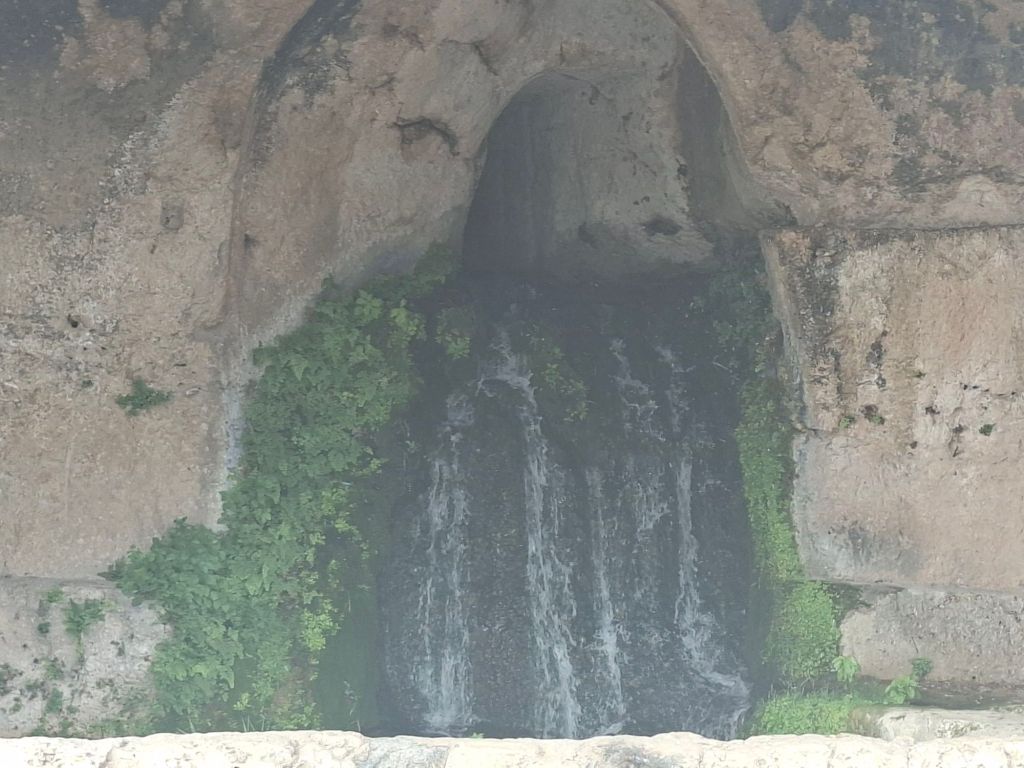
The aquaduct was to bring water from inland Sicily to Siracusa so this is spring water. However, it does not mean its drinkable water for us. We saw many birds sweeping in to drink the water and come out again when they had their fill.
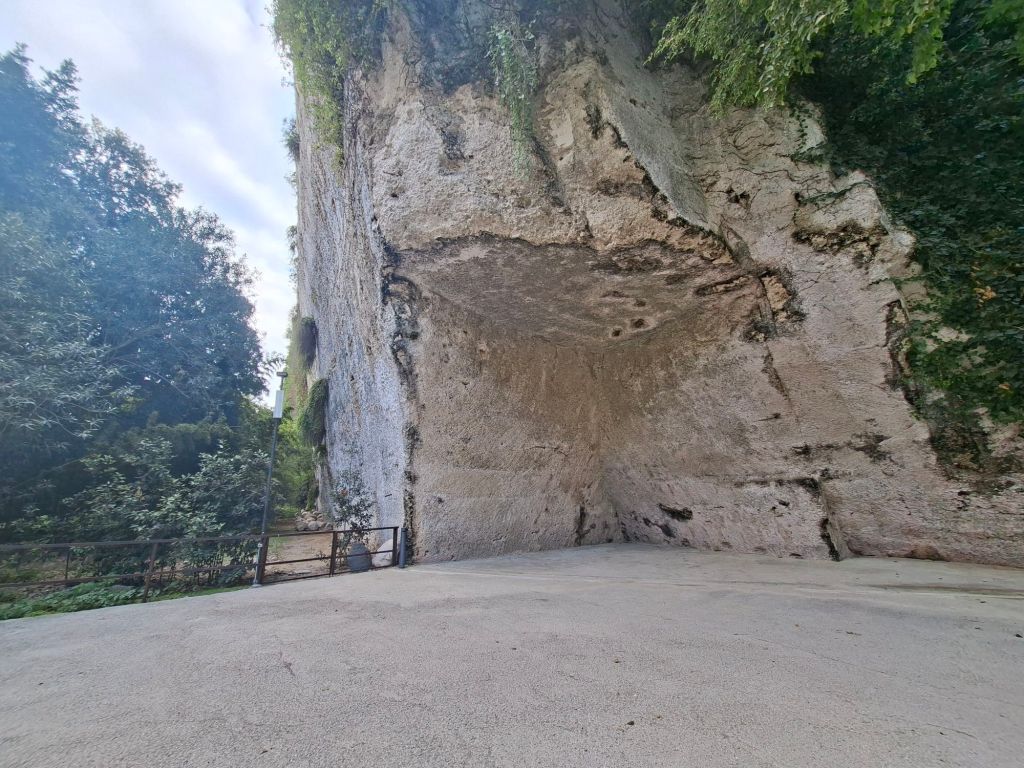
The ear of Dionysius is a cave of a height 23 metres with a winding passageway resembling a human ear .
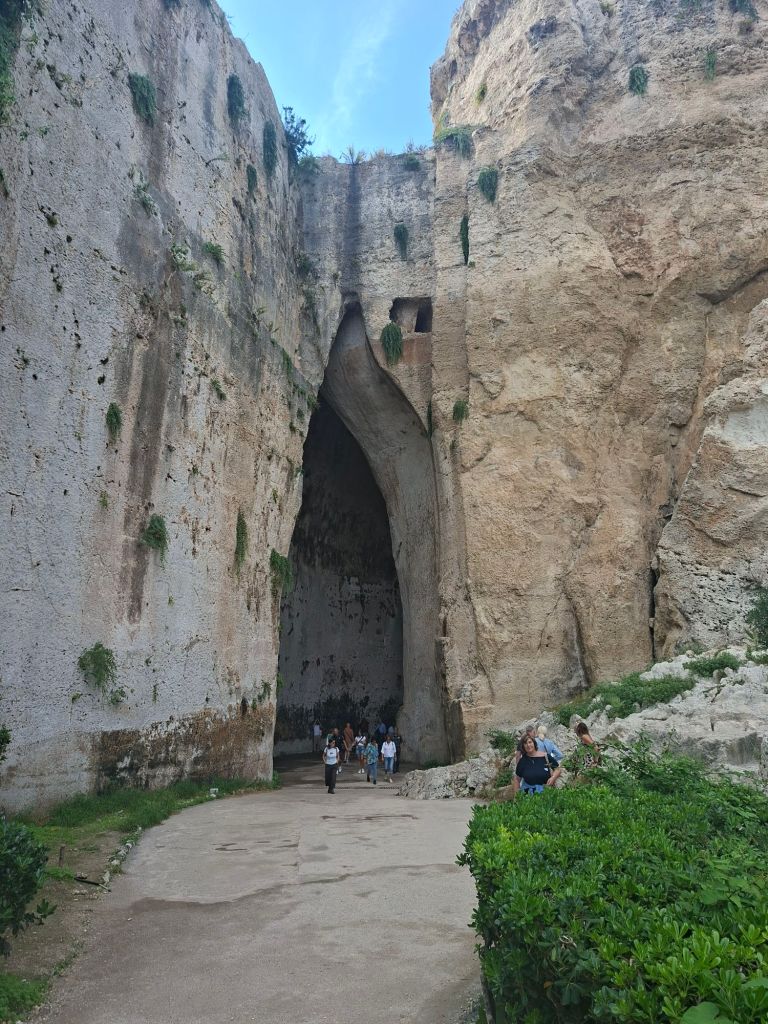
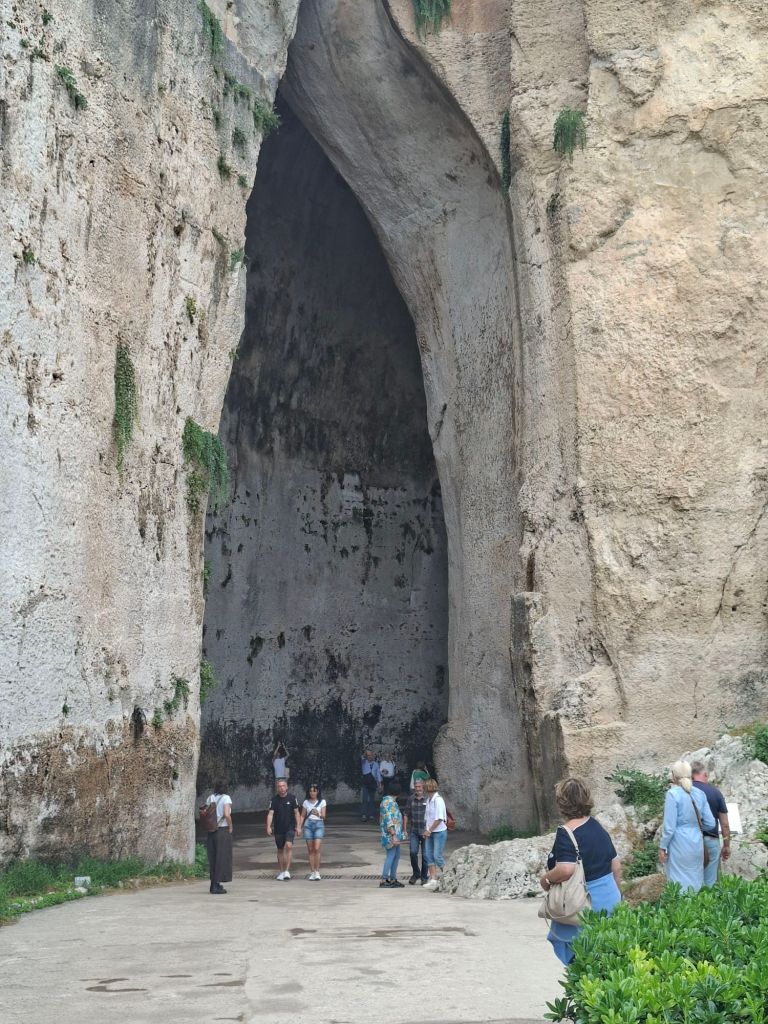
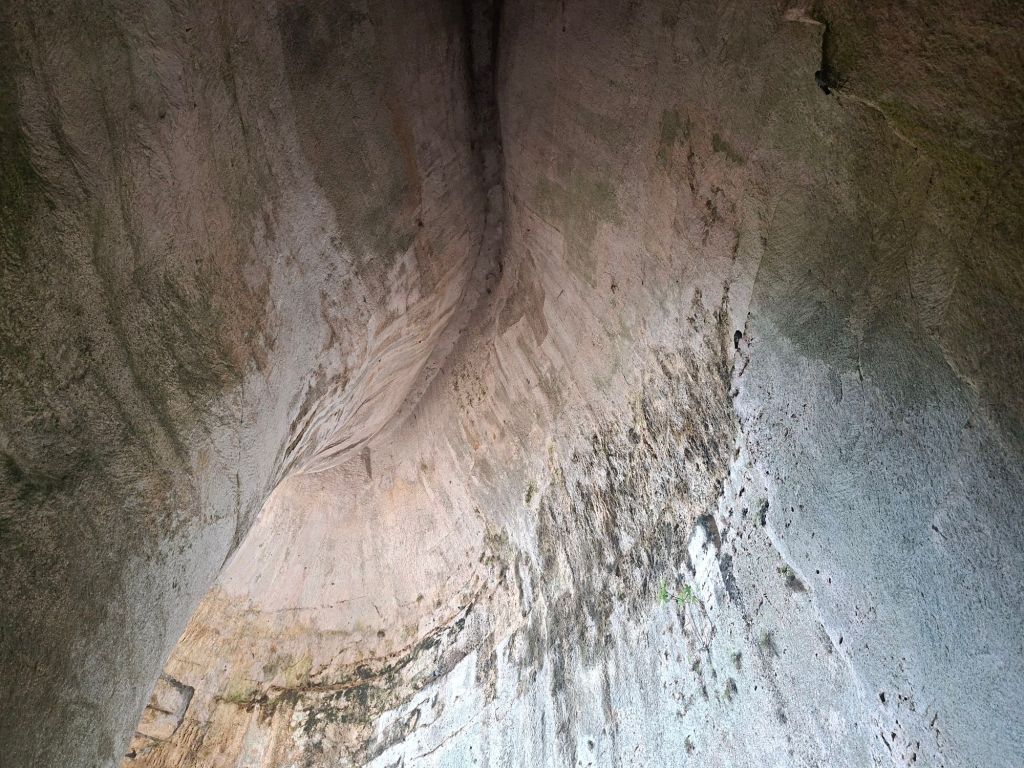
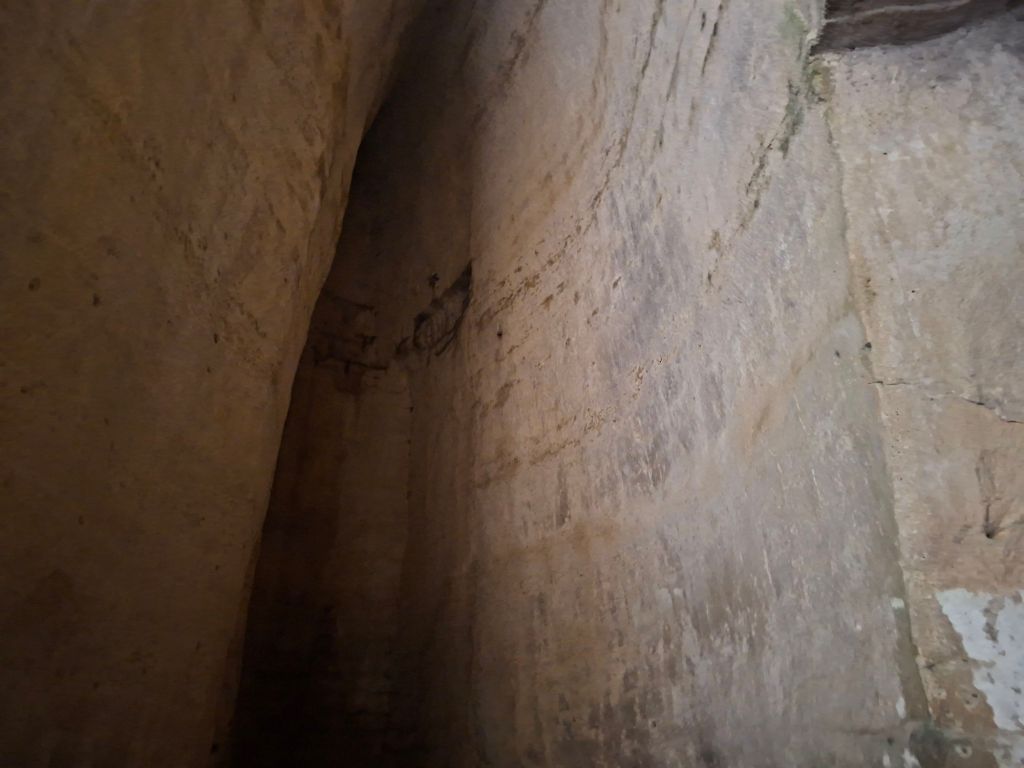
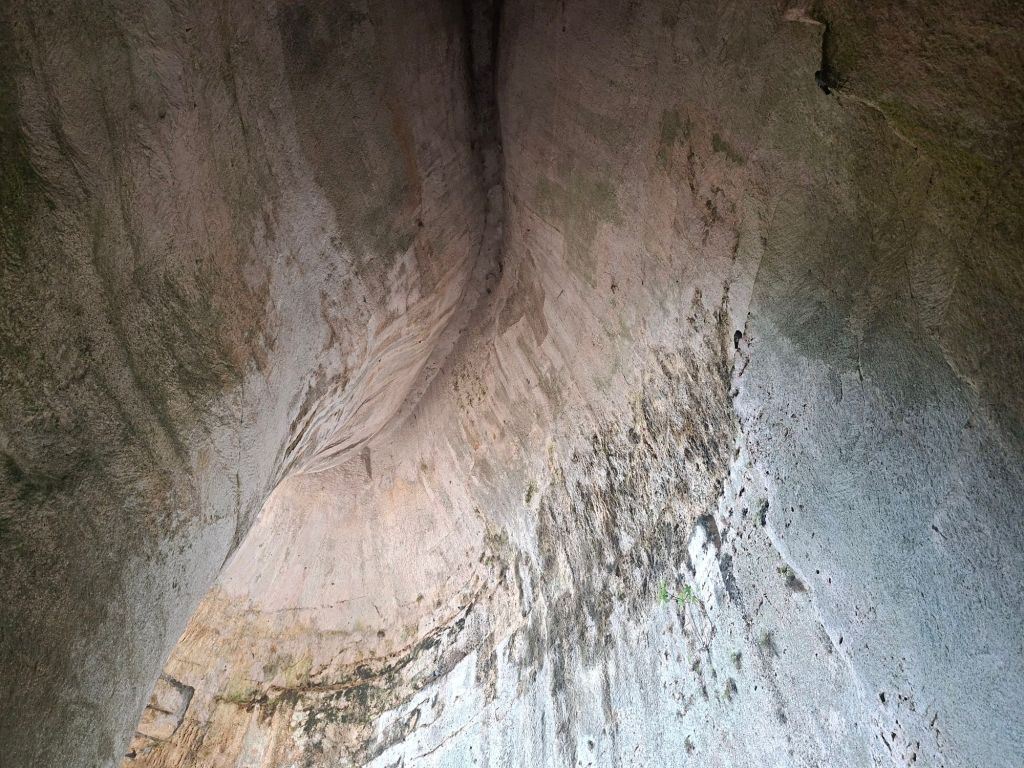
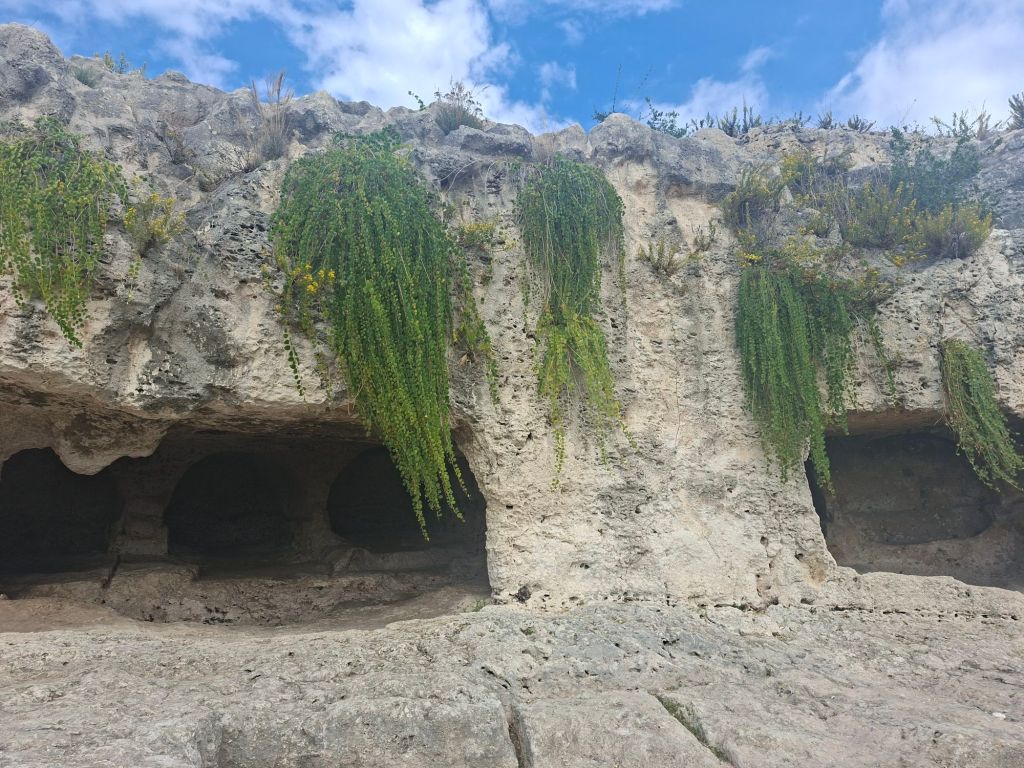
The original purpose of the Ear of Dionysius is as a quarry for limestone from which stone was extracted for Siracusa’s buildings. Therefore, it is not a natural cave unlike Batu Caves, Niah or Mulu Caves .
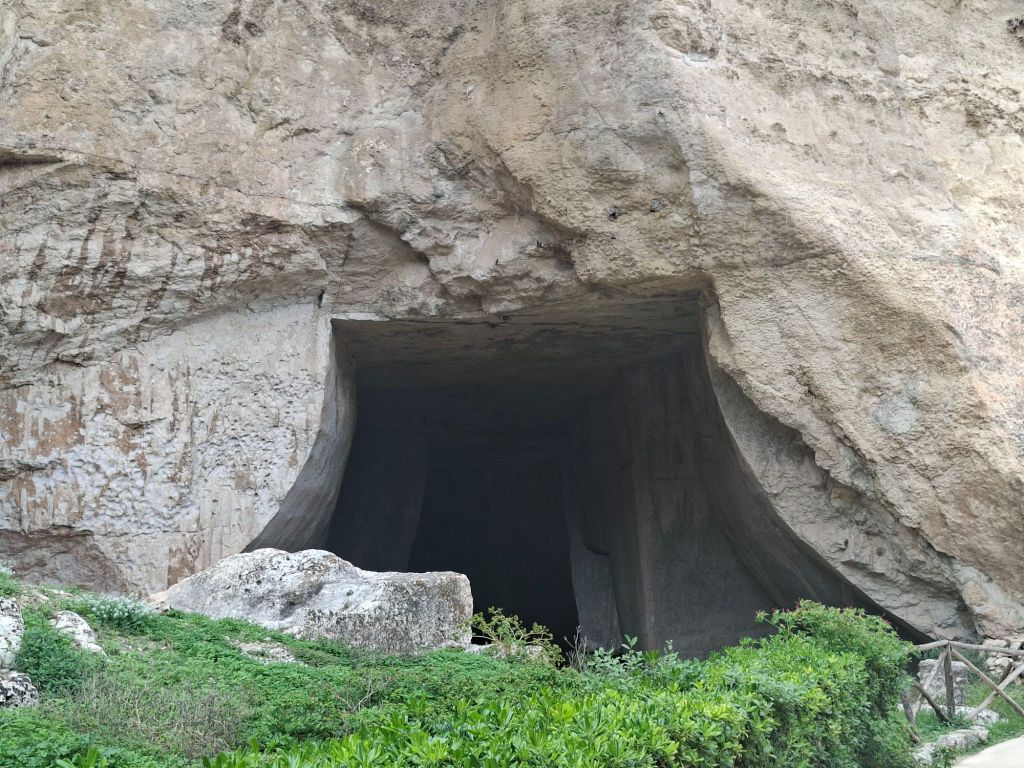
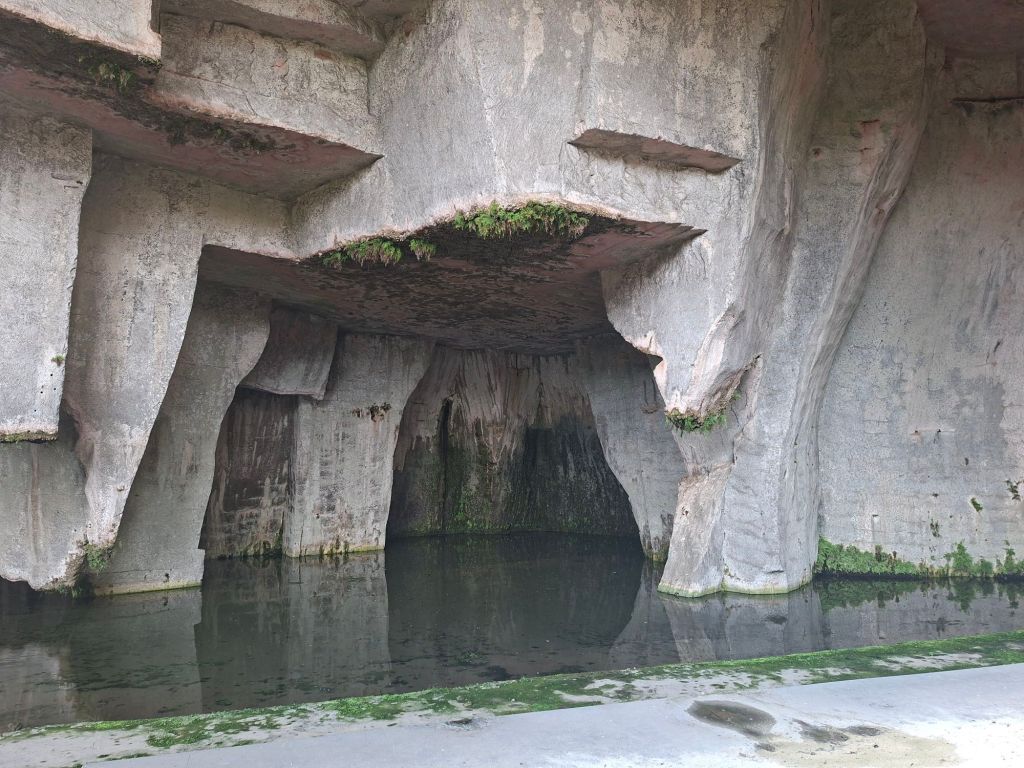
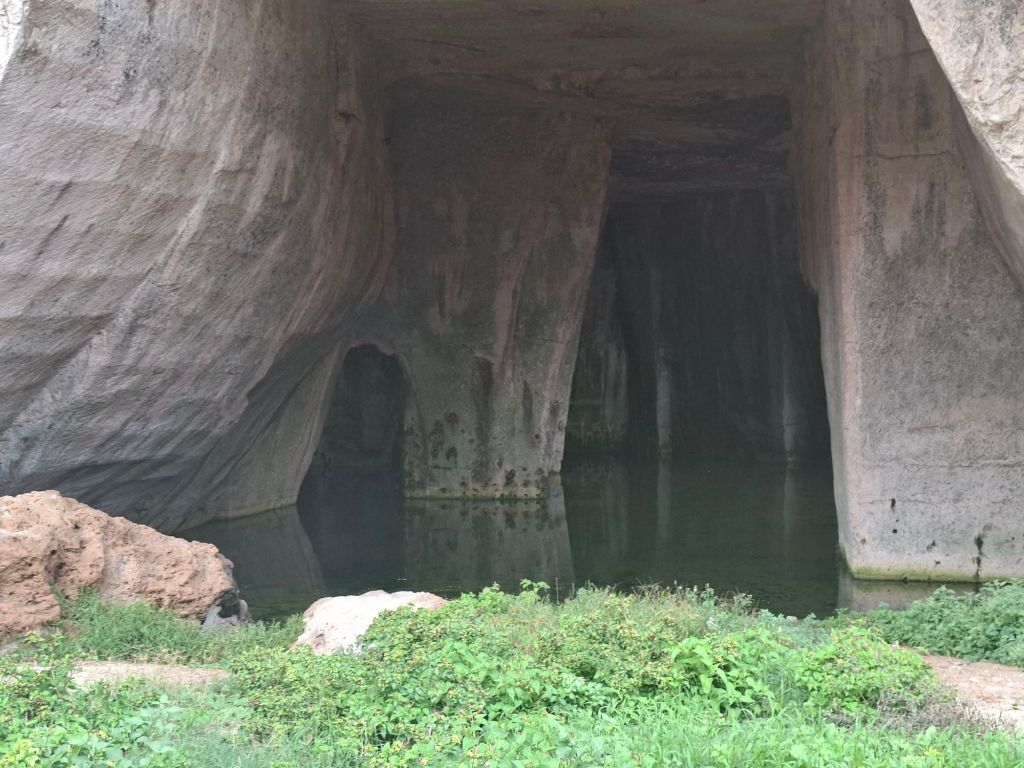
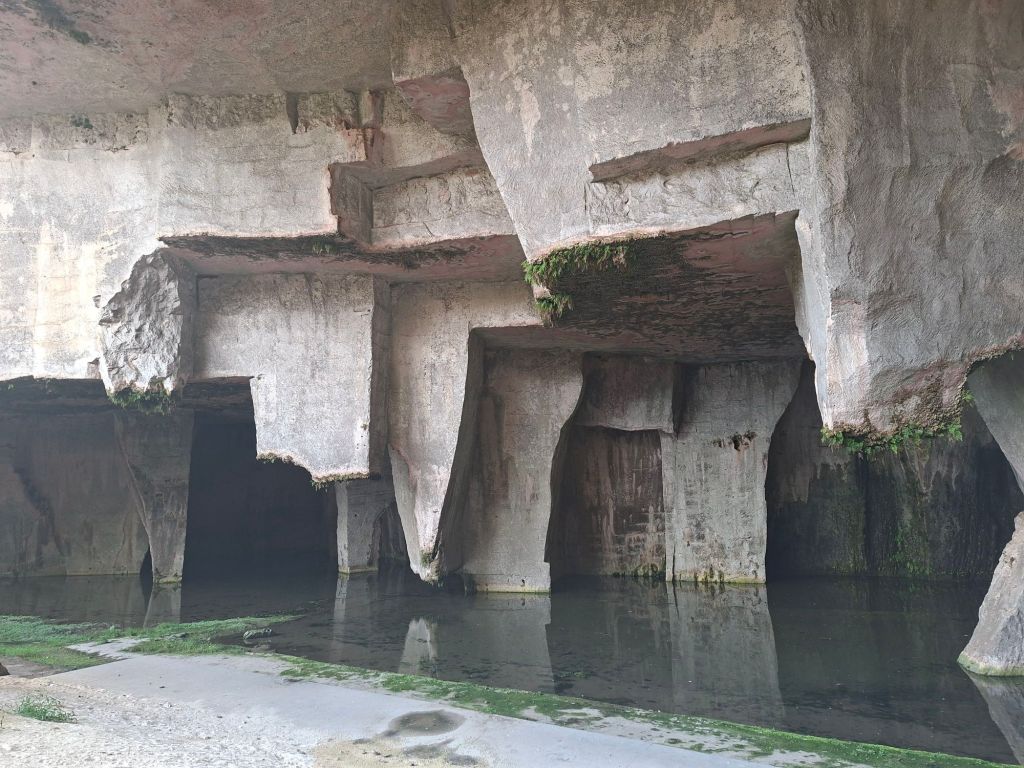
There were no bats and no fish. However, bats are found in Sicily , just not in these caves. These caves are actually ancient quarries .
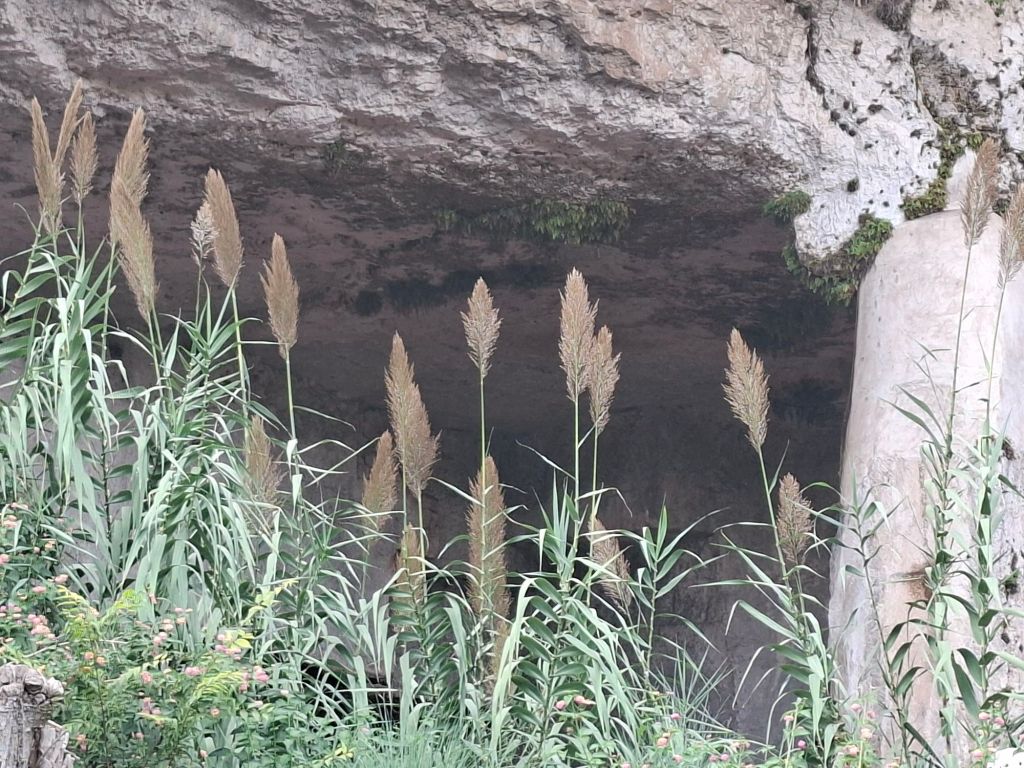
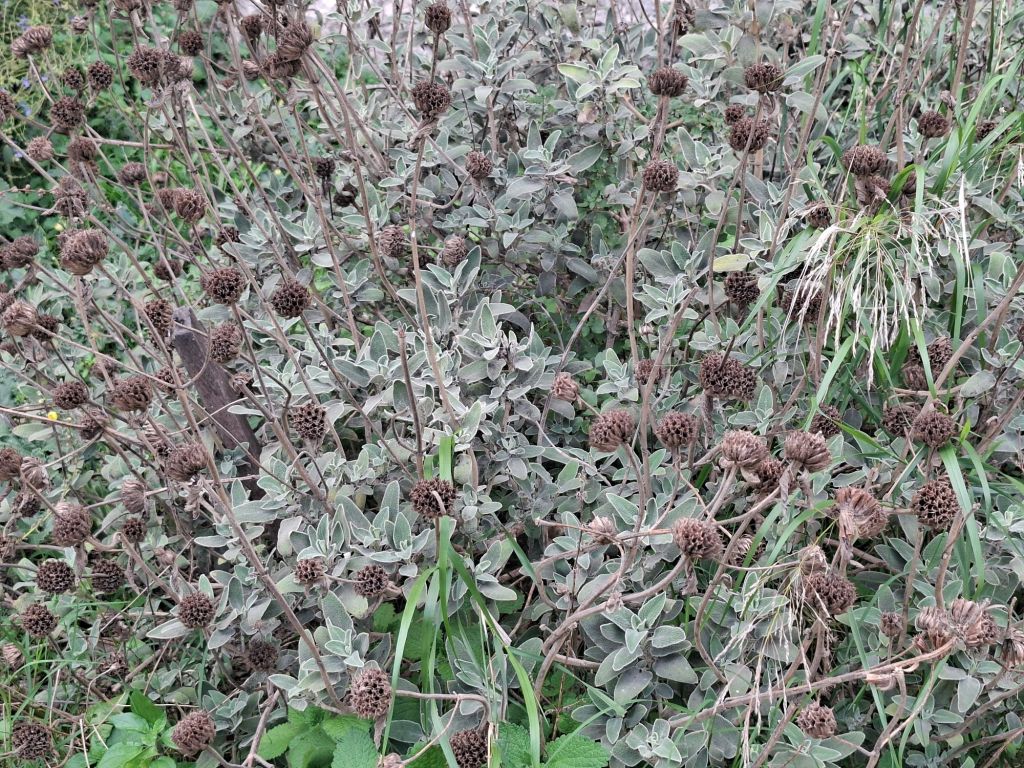
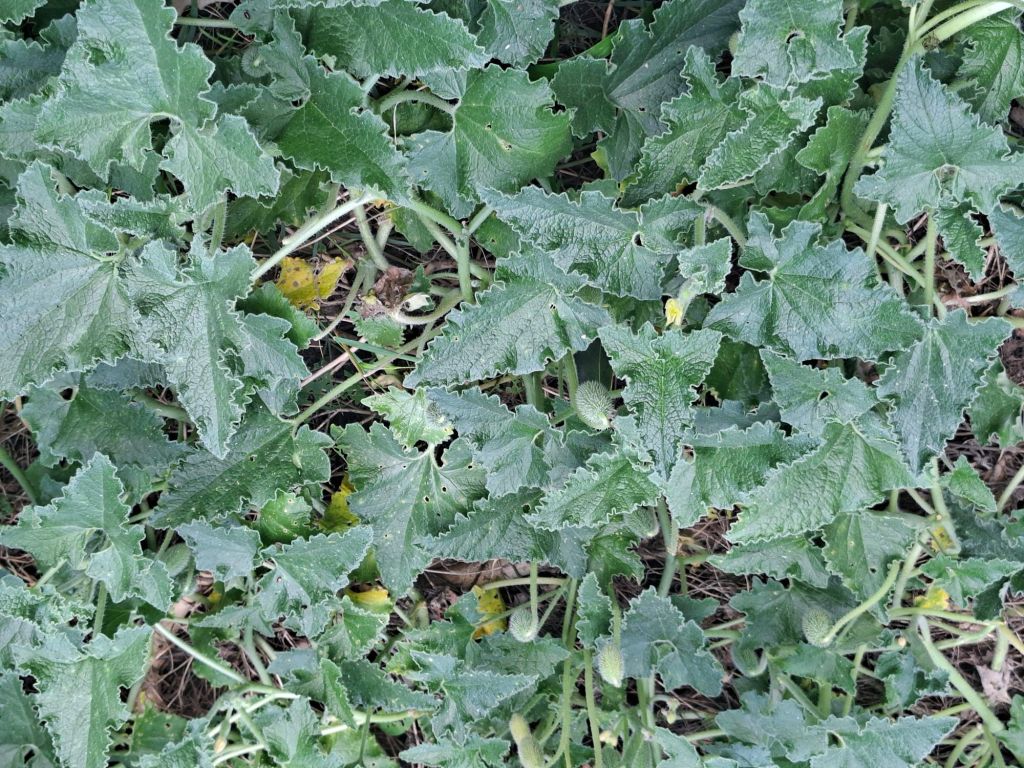
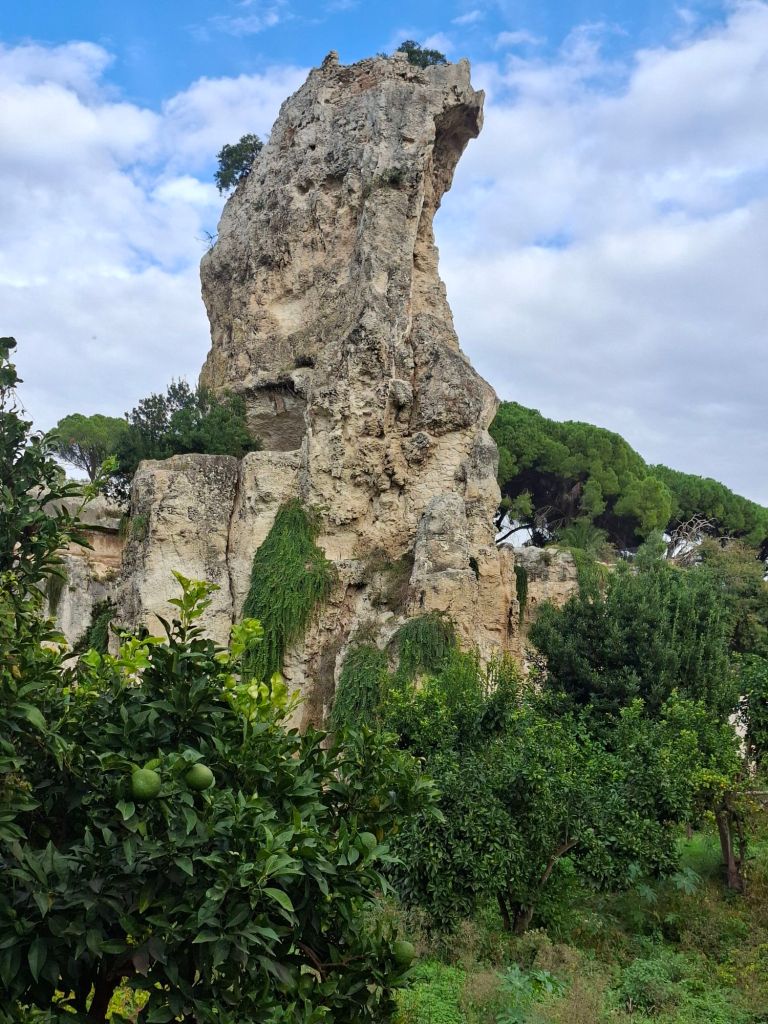
Walked for about 4 hours in this park so the entrance fee of €14 was worth it . Alas, there was Archimedes tomb in this park that we couldn’t locate . The ticket guy said that section where the tomb was is closed but we can see it from the outside. From outside where exactly .. haiyah .
Read that the Archimedes tomb is being disputed by archealogists as there is no conclusive evidence that this is the actual tomb of Archimedes because the date of the tomb and the date of the death of Archimedes was different from historical records so thats a consolation. Archealogists do not know where is the tomb of Archimedes is exactly .
Weather was lovely at 22c and it was overcast so it wasn’t too hot . Walked back which took us maybe 15 minutes . That was a Sunday outing for us.


Leave a Reply